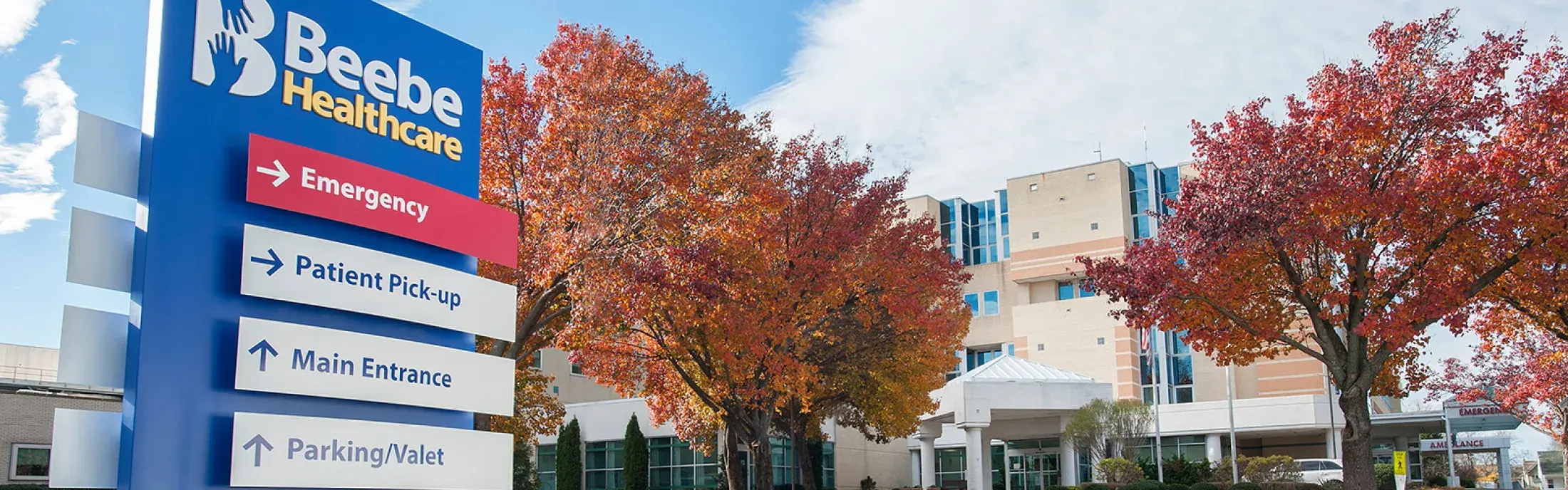
Beebe Earns Accreditation from the American College of Emergency Physicians for Care of the Aging Population
Beebe Healthcare is proud to announce that its Emergency Departments have earned bronze-level accreditation from the American College of Emergency Physicians (ACEP). This accreditation recognizes its commitment to providing the highest level of comprehensive, patient-centered care for the geriatric population.
It is especially special to share and celebrate these team members and this accomplishment in May, which not only recognizes Nurses and Hospital Week, but also Older Americans Month.
Beebe’s patient population fluctuates throughout the year, but nearly half of those seeking care in the hospital’s Emergency Department are over the age of 65.
“We have put the right processes and care protocols in place to ensure staff in our Emergency Department understand the specialized needs of older patients and have the right resources to optimize both clinical outcomes and the care experience for these individuals,” said Lindsay Grubish, DO, FACEP, Chair of Emergency Medicine at Beebe. “We have worked very hard to ensure that older adults who come to Beebe receive evidence-based, dignified, and person-centered care across the healthcare system.”
ACEP Accreditation is awarded to Emergency Departments across the country that have implemented a variety of best practices in caring for the geriatric population. Among those priorities are: ensuring geriatric-focused education and interdisciplinary staffing; implementing standardized approaches to care that address issues common within the geriatric population; ensuring optimal transitions from the Emergency Department to an inpatient unit, home, rehabilitation center, long-term care center, or other setting; and promoting geriatric-focused quality improvement through investments in enhanced physical environment features and supplies.
Dr. Grubish has played an instrumental role as Beebe has accomplished these priorities, through her leadership role in the Emergency Department. She works in close collaboration with a multidisciplinary team which included Logan Jarrell, BSN, RN, GRN, CDP, Beebe’s Nursing Improving Care for Healthsystem Elders Coordinator.
NICHE helps organizations meet national quality goals set by the Centers for Medicare & Medicaid Services and aims to close gaps in clinical care by enhancing nursing workforce skills for care of older adult patients.
“Through implementing NICHE principles and ACEP best practices for elder care, we are bridging strategic planning with frontline nursing and clinical education, all with a goal to improve hospital-based outcomes and experiences for our older adults,” said Jarrell. “Continuing education is a key priority, so that our care team has the knowledge, experience, and resources to deliver exceptional care while also demonstrating compassion and empathy for our geriatric community.”
Continuing education for Beebe’s Emergency Department team has taken on many forms, and includes simulation exercises that help clinical providers understand what the aging process looks and feels like. Staff who participate gain a new level of understanding about how to manage care for an older patient with dementia, or someone who is seeking care following a traumatic event.
The team is also educated about topics especially important to the geriatric population, such as fall prevention and the importance of empathy in the care environment. Beebe also encourages members of the team to pursue specialized Geriatric Resource Nurse and Geriatric Patient Care Associate certifications, in line with these priorities.
Hannah Madden, RN, is one nurse who can attest to the value of specialized care for older people. Part of Beebe’s nursing team since 2021, she made a decision to pursue geriatric certification based on her goal to be the best possible nurse for the patients she was seeing in Beebe’s Emergency Department.
“I wanted to become geriatric specialized because the majority of our patient population is over the age of 65, and there is so much we can do to improve the care process for these patients,” said Madden. “Continuing my education was important so that I could step up and do more for the patients I was caring for when I came into work each day.”
To date, 57 nurses have obtained Geriatric Resource Nurse Certification, and 26 ancillary staff members have completed their Geriatric Patient Care Associate Certification. These numbers are growing, with over 100 staff members currently pursuing certification.
“We are incredibly proud of the commitment our team has made in creating a geriatric Emergency Department, equipped to care for older people who have very diverse needs, dispositions, and outcomes,” said Jarrell. “This level of preparedness is strengthened through collaboration with the NICHE program, and ensures we are trained to help older patients transition safely back to their daily lives after an emergency.”