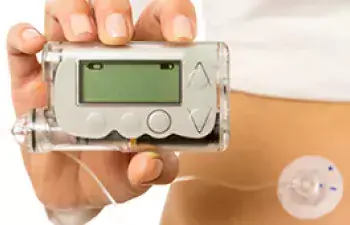
Diabetes Management & Medical Nutrition Therapy
Our diabetes program offers education and support built on self-care behaviors. Learning about each of these self-care behaviors can help you reach your health goals and improve your quality of life.
Education is provided by certified diabetes care and education specialists (CDCES), who will address the following:
- Making healthy food choices that fit your lifestyle
- Staying physically active in safe and enjoyable ways
- Monitoring and understanding your blood sugar levels
- Taking diabetes medications as prescribed
- Problem-solving skills for everyday diabetes challenges
- Developing healthy coping strategies and emotional well-being
- Reducing the risk of diabetes-related complications
We are here to help when you need it most. There are times when seeing a diabetes specialist is extra important:
- If you’ve been newly diagnosed with diabetes and need education and support
- If you’re finding it challenging to reach or maintain your blood sugar goals
- If new health concerns or diabetes-related complications develop
- During life changes or adjustments to your treatment or care plan
Diabetes self-management and support is covered by most insurance plans and gives you the knowledge and skills to manage your diabetes with confidence. Studies show that diabetes education helps to lower blood sugar, blood pressure, and cholesterol levels. This helps you stay healthier and reduce the risk of diabetes complications. A referral for diabetes education from your healthcare clinician is required.
Our team has been proudly supporting the Sussex County community through compassionate and comprehensive diabetes education for over 25 years. We are nationally recognized by the American Diabetes Association (ADA) for meeting the highest standards in diabetes self-management education.
In addition, we offer Medical Nutrition Therapy (MNT), a personalized, evidence-based service that helps you improve your health through practical food choices and lifestyle changes. You’ll work one-on-one with a Registered Dietitian Nutritionist who will create a plan tailored to your needs, preferences, and health goals, so you can feel confident making everyday decisions about nutrition.
Common Questions about Diabetes
There are four main types of diabetes: prediabetes, type 1 diabetes, type 2 diabetes, and gestational diabetes.
Prediabetes is a pre-cursor to diabetes. It means you might not have any symptoms at all yet, but your blood sugar is not being properly controlled. It can lead to type 2 diabetes.
Type 1 diabetes is generally a condition you are diagnosed with earlier in life. It means your pancreas does not produce insulin. You will need regular insulin in order to manage your diabetes.
Type 2 diabetes is generally diagnosed later in life – but as early as teenage years. It means your pancreas might still produce some insulin, but not enough to regulate blood sugar. It might also mean that your body has become insulin resistant and is not able to use the insulin that your pancreas does create. You will need to focus on monitoring your blood sugar, eating a healthy diet, and perhaps taking medication or using insulin.
Gestational diabetes is diagnosed during pregnancy. It means you will likely have gestational diabetes during future pregnancies as well and you will have to be closely monitored during your pregnancy. In some cases, once you give birth, your diabetes will go away. It means you are at higher risk of developing diabetes outside of pregnancy as well.
The common symptoms are:
- Urinating often
- Feeling very thirsty
- Feeling very hungry - even though you are eating
- Extreme fatigue
- Blurry vision
- Cuts/bruises that are slow to heal
- Weight loss - even though you are eating more (Type 1)
- Tingling, pain, or numbness in the hands/feet (Type 2)
In order to be diagnosed with any type of diabetes, your healthcare provider will want to run some tests, including bloodwork.
First you will have an A1C test, also called a glycated hemoglobin test. This blood test does not require fasting. It is used to show your average blood sugar level from the past few months. The test measures the percentage of blood sugar attached to your hemoglobin – red-blood – cells.
An A1C level of 6.5 percent or higher could mean you have diabetes. In most cases, your healthcare provider will want you to have the test done more than once.
If you have an A1C level between 5.7 and 6.4 percent, you could have prediabetes. Again, your healthcare provider will want you to take the test more than once.
In some cases, more testing is needed to determine the level of your diabetes or prediabetes. Other tests that your doctor could order are:
- Random blood sugar test: A small blood sample will be taken at a random time to show your blood sugar level.
- Fasting blood sugar test: This test requires you to fast or not eat overnight prior to having blood tested. A fasting blood sugar level from 100 to 125 mg/dL could be prediabetes and a level of 126 mg/dL could mean diabetes.
- Oral glucose tolerance test: For this test, you fast overnight and your blood sugar is measured. Then, you drink a sugary liquid and have blood sugar testing done over the course of two hours following the drink. This is similar to the testing done for those who are at risk for gestational diabetes.
If you have been recently diagnosed with diabetes, Beebe Diabetes Management can help: 302-645-3100 x73293. Ask your doctor to refer you to the program, which includes educational sessions, group support, and one-on-one guidance.
Join us! Beebe Diabetes Management offers regular diabetes education classes and support groups. Fill out the form below for more information. If you have any questions, call Beebe Diabetes Management: 302-645-3100 x73293.
Any primary care provider can refer you to a diabetes education program. If you have been diagnosed with diabetes and your care provider is helping you manage your disease, you can ask them to refer you to Beebe Diabetes Management to participate in education programs.
When you are diagnosed with diabetes, talk to your care provider about changes you may want to make in your life. Ask your provider about diabetes education and diabetes support programs. Your provider can refer you to Beebe Diabetes Management.
When to ask:
- At diagnosis or if you have never taken part in a diabetes education program
- Every year
- When it’s harder to manage diabetes, such as:
- Changes in access to food or money
- When there are emotional factors (e.g. stress or anxiety)
- When new health issues arise
- When starting a new medication (e.g. insulin or steroids)
- During changes in life, such as:
- Change in living situation (e.g. divorce or death of a family member)
- Getting new insurance coverage