
Jellyfish Stings on the Rise at Delaware Beaches: What You Need to Know
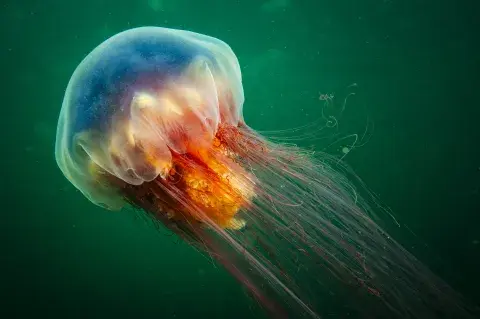
Summertime in Sussex County means spending time in the ocean, but jellyfish are arriving earlier than expected.
Lifeguards and beach officials are reporting more jellyfish sightings and stings at the Delaware beaches.
Understanding how to avoid jellyfish and what to do if you get stung can help you and your family feel prepared for a beach day.
Why are there more jellyfish this summer?
One reason that jellyfish may show up earlier is warmer ocean temperatures.
Jellyfish thrive in warmer waters, and higher ocean temperatures can bring some species closer to Delaware’s beaches.
Ocean conditions play a role too. Currents and tides may carry jellyfish closer to shore, so beachgoers can spot them even in shallow swimming spots.
Common Delaware jellyfish
According to the Delaware Department of Natural Resources and Environmental Control (DNREC), there are several types of jellyfish in Delaware.
Lion’s mane jellyfish
As one of the largest jellyfish species, the lion’s mane jellyfish is known for its orange color and long, flowing tentacles.
The sting isn’t life-threatening, but it can cause pain, redness, and irritation.
Atlantic sea nettle
Often translucent with reddish-brown markings, the Atlantic sea nettle has a more painful sting than others.
Still, this jellyfish is not typically considered dangerous and most healthy people recover quickly.
Moon jellyfish
It’s common to see these jellyfish when it’s warm out. They are usually clear or translucent and with four circular structures near the middle of their bell.
The moon jellyfish sting usually feels like a mild small prick or irritation.
Sea walnuts
Sea walnuts, also called comb jellies, are harmless transparent jelly-like creatures that won’t sting.
They use tiny hair-like structures to move and you might see rainbow-like colors on them when the light hits.
What to do if you get stung
If you get stung by a jellyfish, follow these steps.
- Don’t rub the affected area. This can release more stinging cells, increasing pain and irritation.
- Remove any visible tentacles carefully with a tool, stick, or gloved hand. Never touch them with bare skin.
- Use hot water or a warm towel to ease discomfort.
- Seek medical care right away for stings on the face or neck or any severe symptoms.
- Do not urinate on a jellyfish sting. This common myth can actually make irritation worse.
When to seek care
Most jellyfish stings cause short-lived pain and irritation that can be handled with basic first aid, but some require medical attention.
Make sure to seek care if you have any of these symptoms:
- Trouble breathing
- Chest tightness or pain
- Severe swelling
- Fainting or dizziness
- Rash, vomiting, wheezing, or swelling of the face or tongue
- A sting on the face, neck, or eyes
- Symptoms that get worse in a very short period of time and/or do not improve
Beebe Healthcare has several options for addressing non-life-threatening injuries and illnesses. Beebe Walk-In Care locations can treat minor injuries and skin concerns, while emergency care is available for severe reactions.
Jellyfish safety tips
Here are some simple ways to reduce your risk of getting stung:
- Check local beach updates before swimming.
- Read any lifeguard warnings and signs carefully.
- Never touch jellyfish. (Even deceased jellyfish can sting.)
- Wear a rash guard or protective swimwear when jellyfish are out.
- Keep a close eye on children and remind them not to touch sea life.
Seeing jellyfish doesn’t automatically mean the beach is dangerous. By staying up-to-date on conditions and knowing what to do if you’re stung, you and your family can continue enjoying the beach safely.