Stroke Care When Every Minute Matters—Right Here in Sussex County
A stroke is a medical emergency, and fast care can make all the difference. Beebe is a Certified Primary Stroke Center, recognized for meeting national standards in stroke treatment and recovery.
When you choose Beebe, you receive expert stroke care close to home, delivered by teams trained to act quickly, thoughtfully, and with clear purpose—because every minute counts.
Warning Signs of a Stroke
Knowing the warning signs of a stroke can save a life. If you notice any of these symptoms, immediately call 911.
Use BE FAST to remember the early signs of a stroke:
- Balance: Sudden loss of balance or coordination
- Eyes: Sudden trouble seeing in one or both eyes
- Face: One side of the face droops when smiling
- Arms: One arm drifts downward when raised
- Speech: Slurred, garbled, or hard to understand speech
- Time: Time to call 911 immediately
Call 911 Immediately
If you notice any stroke symptoms, immediately call 911.
Do not wait. Getting help fast can protect brain function and improve outcomes.
Stroke Prevention
If you have concerns about stroke symptoms, risk factors, or recovery, talk with your primary care provider. If specialized care is needed, they can help guide a referral to Beebe’s neurology or neurosurgery teams.
Already have a referral from a Primary Care Provider?
What Is a Stroke?
A stroke happens when blood flow to part of the brain is blocked or when a blood vessel in the brain bursts. Without enough blood and oxygen, brain cells can be damaged within minutes.
There are different types of stroke, but all require immediate medical attention. Early treatment can help limit brain injury, reduce complications, and improve recovery.
Neurology Services
What Causes a Stroke?
A stroke can happen for many reasons. Some causes are related to blood flow, while others involve pressure or damage to blood vessels in the brain. Common causes and risk factors include:
- High blood pressure
- Heart disease or atrial fibrillation
- Diabetes
- Smoking
- Obesity
- Limited physical activity
- Excessive alcohol use
- Prior stroke or transient ischemic attack (TIA)
Understanding these causes helps care teams focus on prevention, treatment, and long-term health.
Beebe Care During a Stroke
When you call 911 for a suspected stroke, care begins right away. When emergency responders arrive and assess a stroke patient, they immediately assess the patient by asking a short list of questions and having the patient do a series of actions like make a fist or raise their arms. They share this information with us so that we can prepare for the patient and expedite their care, before they even arrive at the emergency room.
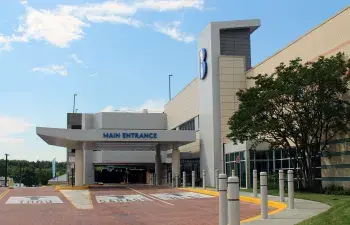
At the Margaret H. Rollins Lewes Campus, designated as a Primary Stroke Center, care happens fast and in clear steps:
- Immediate evaluation: Doctors and nurses check symptoms, medical history, and when symptoms started.
- Brain imaging: A CT scan or other imaging is done right away to understand the type of stroke and guide treatment.
- Rapid treatment decisions: Depending on the type of stroke, treatment may include medication to dissolve a clot or other procedures to restore blood flow.
- Specialist care: Beebe’s team works closely with neurologists, including real-time support from Jefferson Health Neuroscience Network specialists through advanced telemedicine technology, to guide care decisions quickly. The mobile stroke robot provides 24/7 access to vascular neurologists and neurosurgeons for emergency consultation services.
- Ongoing monitoring: Patients are closely observed to support recovery and prevent further damage.
For family members or those nearby, the most important step is simple: call 911 right away and stay with the person until help arrives.
If possible, note when symptoms started and share that with emergency teams. This information helps guide treatment decisions.
At Beebe, every part of stroke care is designed to move quickly, communicate clearly, and connect patients to the right level of care—including advanced support when needed—to improve outcomes.
A Personal Story From Our President and CEO
What Happens After a Stroke?
Stroke care does not stop once the immediate crisis has passed. After emergency treatment, patients may need monitoring, physical therapy, or ongoing support to regain strength and function.
Recovery looks different for every person. Some patients return home quickly, while others benefit from rehabilitation, follow-up care, or support services. Beebe works closely with patients and families to plan next steps and coordinate care across neurology, neurosurgery, and rehabilitation teams.
Certified Stroke Care You Can Trust
As a Certified Primary Stroke Center, Beebe provides:
- Rapid evaluation and treatment by trained stroke teams
- 24/7 access to neurology and neurosurgical specialists
- Proven, evidence-based stroke treatment protocols
- Coordinated care from emergency treatment through recovery
Beebe is recognized by emergency medical services as a destination for stroke care in Sussex County.
Support That Goes Beyond Treatment
Life after a stroke can feel overwhelming. Beebe offers support resources that help patients and families feel less alone and more confident moving forward.
Support groups in Sussex County include:
These groups provide connection, shared experience, and encouragement. Because healing is about more than medicine.
Stroke care at Beebe is built around one promise: expert care, delivered with urgency, compassion, and deep roots in this community.
Related Stroke Information
- American Stroke Association Resources
- Delaware Aging & Disability Resource Center’s Delaware Stroke Initiative